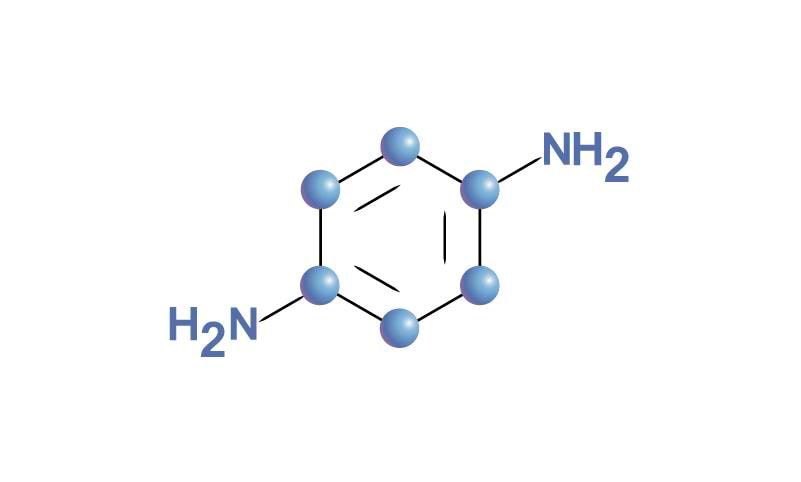
PPD (paraphenylenediamine) is a chemical used in most permanent and demi-permanent hair dyes to create long-lasting, natural-looking color. It's also the ingredient most commonly linked to hair dye allergic reactions, which is why Madison Reed formulates our hair color without PPD.
Madison Reed | March 01, 2017
All About PPD (And Why We Don't Use It)
Adobe Stock
What is PPD in hair color?
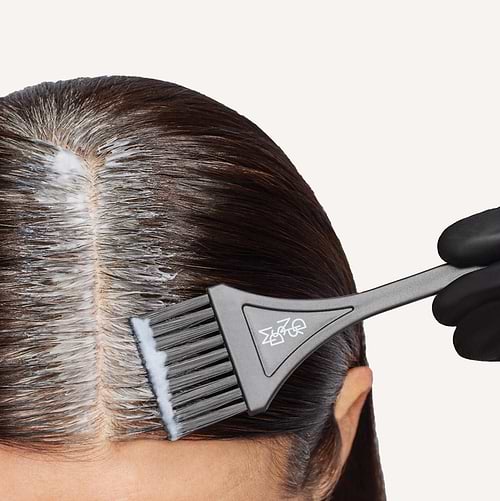
Paraphenylenediamine—more commonly known as PPD—is a chemical substance that is commonly found in permanent hair color and other dyes. Hair color companies use PPD pervasively because it provides long-lasting hair color that has a natural look. PPD hair dye is used in both salon and at-home color because it is an effective ingredient in coloring hair. PPD is also commonly used in temporary tattoos, dark colored cosmetics, and even in textile dyes and printing inks.
Is PPD harmful?
Despite its efficacy in coloring hair, PPD has a reputation for negative side effects. Most commonly, PPD can cause reactions ranging from mild skin irritation to more severe allergic contact dermatitis. Sensitive individuals may experience dermatitis—skin inflammation and irritation commonly referred to as eczema. Eczema may first be noticed on the upper eyelids or rims of the ears after application of the hair color. These symptoms often calm down after the dye is fully oxidized, but any type of rash and swelling is uncomfortable, even for a short time. In more serious cases, there may be marked reddening and swelling on the scalp and the face. An allergy to PPD can result in widespread contact dermatitis, as well as hives and, in rare severe cases, anaphylaxis.
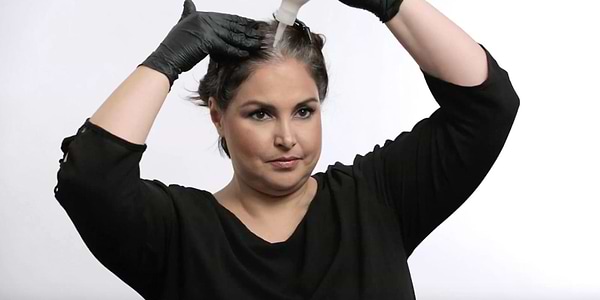
In addition to users experiencing skin irritations from having their hair colored with permanent color containing PPD, people who frequently work with PPD—such as hair colorists—often develop dermatitis on their hands. This can occasionally spread to the arms and even the chest. Anyone who is planning on coloring their hair should complete a patch test following recommended directions in the packaging to determine their sensitivity with the product to avoid potential allergic reactions, and hair dressers should always use gloves when working with hair color containing PPD. An increase in exposure correlates to an increased likelihood of reaction, even in people who may not have experienced dermatitis before.
PPD-Free Hair Dye - A Better Alternative
Of course, the best solution to PPD allergies is to use products that don’t contain the chemical. Because of its status as a known allergen, research has been done to create alternative ingredients that effectively color hair without leading to unfortunate side effects. Because of this, there has been a push for dedicated research into alternatives that achieve similar effects as PPD, without the same incidence of sensitivity. Manufacturers have begun creating products with para-toulenediamene sulfates (PTDS) as a substitute to PPD, which has proven effective in replacing the ingredient.
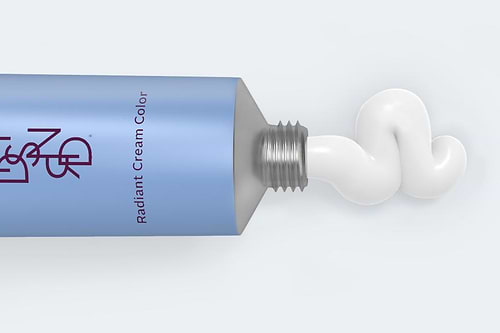
At Madison Reed, our Radiant Cream Color uses PTD—Toluene 2,5-Diamine Sulfate (TDS), an ingredient that effectively replaces PPD in hair color and studies have shown that it has a lower incidence of skin sensitivities. One study showed that half of users who were allergic to PPD did not experience an adverse effect to a PTD substitute1. However, as the ingredients are chemically similar, it is possible for users who are allergic to PPD to experience irritation when using a color with PTD. At Madison Reed, we always recommend completing a patch test to determine how your skin will react to our products.
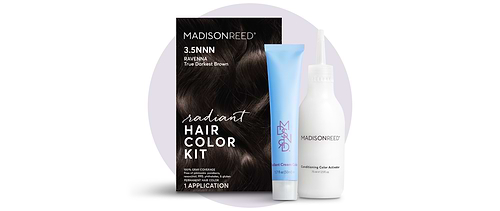
Shop Hair Dye from Madison Reed Formulated Without PPD
Every Madison Reed hair color formula is formulated without PPD and follows our Smart 8-Free standard, meaning it is also formulated without ammonia, resorcinol, parabens, phthalates, gluten, SLS, and titanium dioxide.
The Bottom Line on PPD
Although many manufacturers have determined that PPD reactions occur infrequently enough to continue using PPD in their products, we believe it’s important to use safer alternatives whenever possible. Color with PTD creates the same rich, shades our clients love, with studies showing it is associated with lower reported incidence of allergic reactions than PPD.
Visit Madison Reed and explore our product line, where you’ll find nourishing permanent and demi-permanent color solutions that are completely free of PPD. For further reading, check out our complete Hair Dye Ingredients Page or read on for more about Allergic Reactions to Hair Color.
Frequently Asked Questions About PPD-Free Hair Dye
Find Your Perfect Shade
Take our 2 minute quiz to get your colorist-approved hair color match!
Take the quizIs all Madison Reed hair dye PPD-free?
Yes. All Madison Reed hair color is formulated without PPD. We use toluene-2,5-diamine sulfate (TDS, also called PTD) as the PPD alternative.
What are the symptoms of a PPD allergy?
Symptoms typically include skin irritation, redness, and swelling - often appearing first on the eyelids or rims of the ears. More serious reactions can include widespread contact dermatitis, hives, and in rare cases, anaphylaxis. Please remember, everyone is different and symptoms can be different for each person.
Can I still react to PPD-free hair dye?
Yes. TDS (PTD) is chemically related to PPD, so some people who react to PPD may still react to PTD. Madison Reed recommends a patch test 48 hours before every application, even if you've used the product before but are using a different shade.
What's the difference between PPD and PTD?
Both are synthetic chemical compounds used to penetrate the hair shaft to bind color molecules together and create rich, long-lasting color. Though the two are chemically related, PTD (toluene-2,5-diamine sulfate) is a modified molecule with a lower reported incidence of skin sensitivity.

Sources
http://www.dermnetnz.org/topics/allergy-to-paraphenylenediamine/
http://www.medscape.com/viewarticle/747496
1Alternative Hair Dye Products for Persons Allergic to para-Phenylenediamine. A. Scheman et al. Dermatitis Vol 22 No 4 (2011) pp. 189-192.
Get Free Shipping
Plus exclusive promotions, hair tips and info about events near me when you subscribe!
Related Articles


previous
next
Trending Articles
previous
next